
Inside the Cherokee County Most Wanted Program
The Cherokee County Sheriff's Office publishes no standing most-wanted roster. Names move fast. So do photos and charges. A list scraped from a jail page, an old news story, or a search result can be stale the day it is copied, so none of that belongs here. What the Sheriff publishes instead are official channels. Those links lead to live information the agency itself controls and corrects. That is the only version worth trusting. If the Sheriff later adds a formal most-wanted feature, it will appear on the agency's own page, and the office will remain responsible for keeping it current.
What Cherokee Most Wanted Is Not
A most-wanted feature is not a census. Cherokee County courts hold many active warrants, and only a handful of cases ever get featured. Selection usually reflects investigative priority, a need for tips, or public-safety concerns, and no published formula or update schedule governs it. Status changes too. A court can recall or quash a warrant at any time. Law enforcement can serve it tomorrow. A notice printed last month cannot tell you either thing happened, which is why a copied roster misleads people. The live agency notice and the court's own record are the only places to confirm what is still open.
Official-source rule: verify any featured notice on the Sheriff’s own site and confirm current status with the responsible agency.
How Cherokee County Most Wanted Lists Work
Where an agency runs a list, it picks a small set of cases for attention. That curated handful is tiny next to the full body of warrants held by courts and law enforcement. In Cherokee County, the Sheriff's Warrant/Civil Unit processes, serves, and maintains local warrants, but its public page offers no name-search roster. Publication and warrant status are separate questions. Dropping off a feature does not mean the court recalled the warrant. Staying on it does not mean nothing has changed. Check the live agency notice and the controlling court record together before drawing any conclusion about a person's status.
Cherokee County Tip Channels Explained
Cherokee County has practical tip channels. The E-911 directory lists a general Secret Witness number, 770-345-7920, an anonymous line for information, not a way to check your own warrant and not evidence of a formal reward program. Immediate danger goes to 911. For non-emergency routing, the Sheriff main line is 678-493-4200. Labels and numbers change, so confirm them in the official E-911 directory before calling. Report only facts you personally know. Do not confront, follow, or publicize anyone. A vehicle, a place, a time, or a direction of travel can genuinely help an investigator. A guess about identity cannot. Stay off private property, obtain nothing by deception, and if you lawfully hold a photo or message, preserve the original and let the agency say how to submit it. Circulating it online invites stale claims to spread long after a record changes.
A tip does not create or confirm a warrant. Investigators weigh it against their own records, and the caller should not expect case details in return or treat the call as authority to act. If your information came from an old agency notice, give staff its date and exact official URL so they can judge whether it is current. Cherokee County has no published reward schedule, so never promise that a tip qualifies for money or anonymity beyond what the receiving program states. Ask that program directly about current terms, eligibility, claim steps, and anonymity rules. An immediate threat always requires 911, never an online form or voicemail. Routine observations go to the current official number. That split lets dispatchers rush urgent calls while still collecting useful facts that need no emergency response.
Sending a Most Wanted Tip Safely
A useful Cherokee County tip is specific and lawfully obtained. Say when and where you saw something, what you saw, and how you know it. Skip the guesses, rumors, and online posts, and let trained personnel decide what action fits.
Safety first: call 911 for an immediate threat; otherwise use the verified official Sheriff or Secret Witness channel and do not approach.
Cherokee County publishes no current reward terms for a most-wanted program. Promise no anonymity, payment, or eligibility beyond what the receiving agency states at the time.
Cherokee County Warrant Service Context
For context without exposing anyone, the Sheriff's annual-report archive tracks workload. The 2024 report records 1,910 warrants served. It also lists 40 warrant apprehensions as a separate intelligence metric. Neither figure is an active roster.
Never add those Cherokee County counts together to guess how many people are wanted, because they measure different agency work.
How Most Wanted Differs From an Active Warrant
The two terms answer different questions. "Active" is a status the issuing court or law-enforcement system controls. "Most wanted" is selective public communication, so a person in Cherokee County can hold an active warrant without ever being featured.
| Feature | Most wanted notice | Active warrant |
|---|---|---|
| Purpose | Seek public awareness or a tip | Authorize or track lawful enforcement |
| Scope | Selected cases only | All warrants in the controlling system |
| Publisher | Agency choosing to issue a notice | Court and law-enforcement records |
| Current proof | Not by itself | Requires confirmation from the custodian |
The Cherokee County active warrant route explains why no-result assumptions are unsafe.
Cherokee County Warrant Status Channels
Do not call Secret Witness about your own status. That line takes tips, not case questions. For Sheriff service or hold questions, call Sheriff Warrant/Civil at 678-493-4251. The E-911 directory separately lists 770-345-3309 as "Warrants," so confirm the correct route before dialing. Magistrate Court answers at 678-493-6431, and State Court handles criminal and traffic matters at 678-493-6550. City citations belong in municipal court. A Superior Court felony file belongs with the Cherokee County Clerk of Courts and the criminal calendar clerk. Georgia offers no single public statewide warrant search, which is why a featured list can never clear a person in Cherokee County. The Sheriff records page links Cherokee County NextRequest for a written non-exempt record. A narrow request can seek the case status, court contact, and any recall or service document. The Georgia Open Records Act permits exemptions and redaction. Answers can also lag a live court order.
Cherokee County Federal Fugitive Boundaries
Federal matters run on a different system. The official routes are the U.S. District Court for the Northern District of Georgia, the U.S. Marshals Service, and PACER. A Cherokee County Sheriff page is not the final authority for a federal fugitive warrant. The Northern District of Georgia court site shows the federal court system that sits apart from Cherokee County's local warrant records and tip channels.
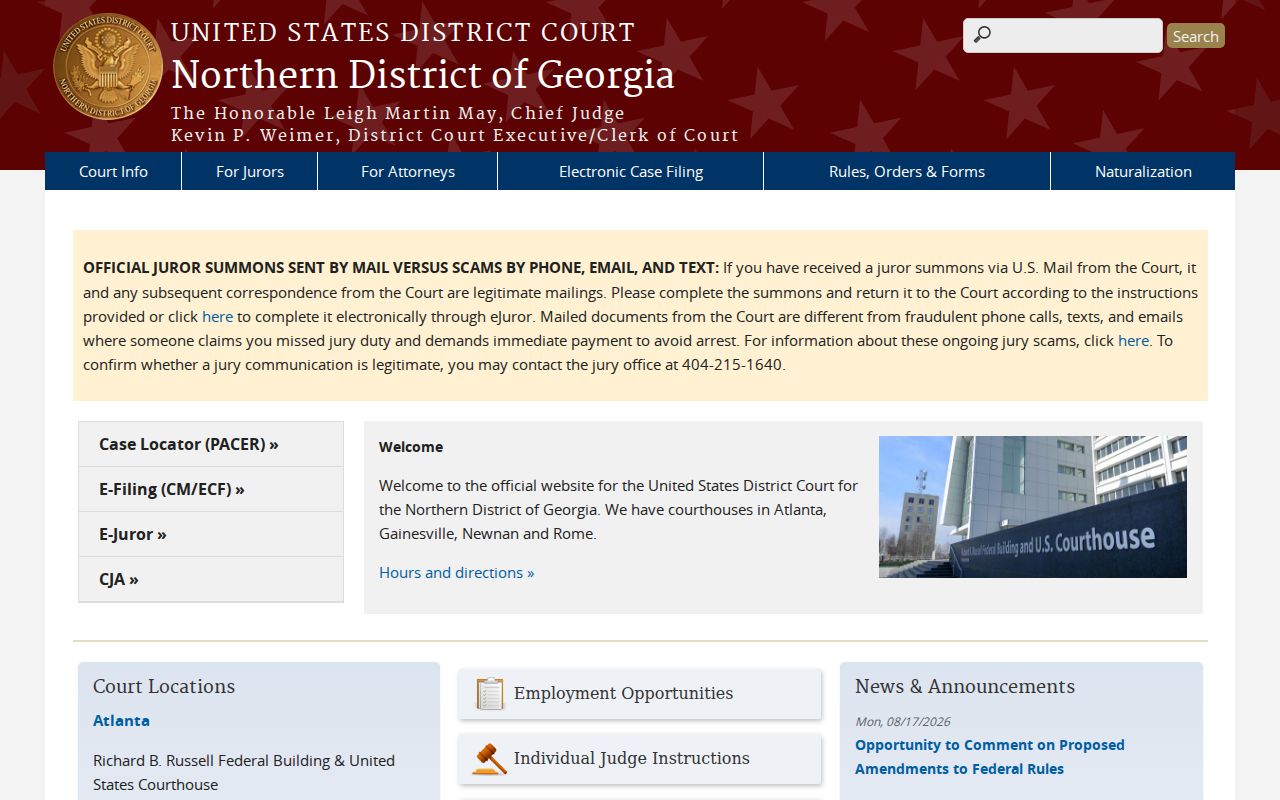
Cherokee County warrant records stay on the local side of that line. PACER policy sets out how the public reaches the separate federal docket system and its access rules.
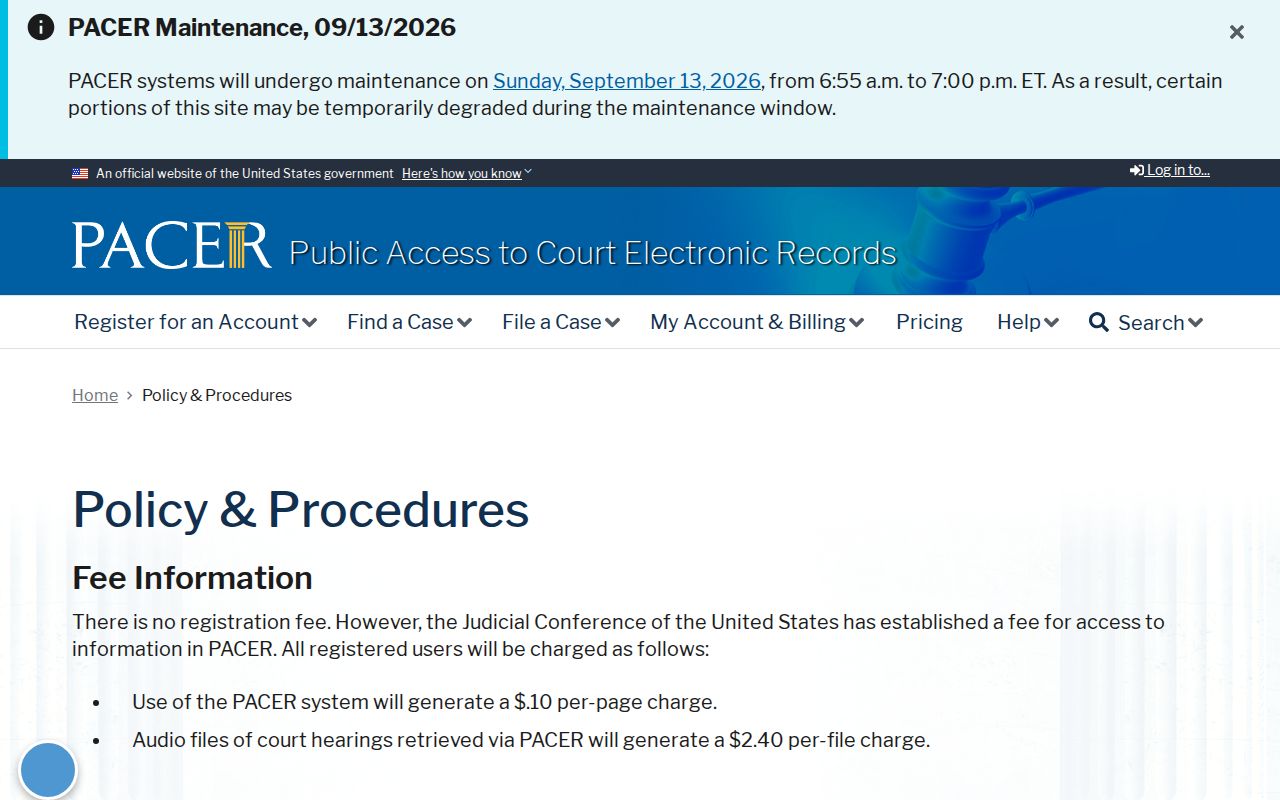
Neither federal source should be portrayed as a Cherokee County most-wanted name list.
When You Believe You Are Listed
Never dial a tip line for your own case. Save the notice URL and its date, and skip reposting it. Then reach a lawyer, the issuing court, and the Cherokee County Sheriff's Warrant/Civil Unit. Ask for the case identifier, current status, bond or appearance terms, and the office controlling any correction. Was the posting stale? Ask the publishing agency to review it once the Cherokee County court updates the source record. Removal from a web notice does not recall the warrant. A court order, service event, or other lawful resolution controls. Recall of a warrant may not instantly remove a web item. Supply the publishing office with the filed order or clerk confirmation and ask when its public notice will be reviewed. Same-name mix-ups happen. Never send identity documents to an unknown address or caller. Verify the agency contact on its official government site. A lawyer can present the mismatch to the Cherokee County court or Sheriff while limiting needless disclosure of birth dates, addresses, and identification numbers.
Do not appear without advice: confirmation of an active warrant can lead to custody, so discuss surrender and bond with counsel first.